Best Practice
Why customers stay: Building development partnerships that last
22. September 2026
Signing a new customer is one thing. Still working together 10 or 15 years later tells a much bigger story.
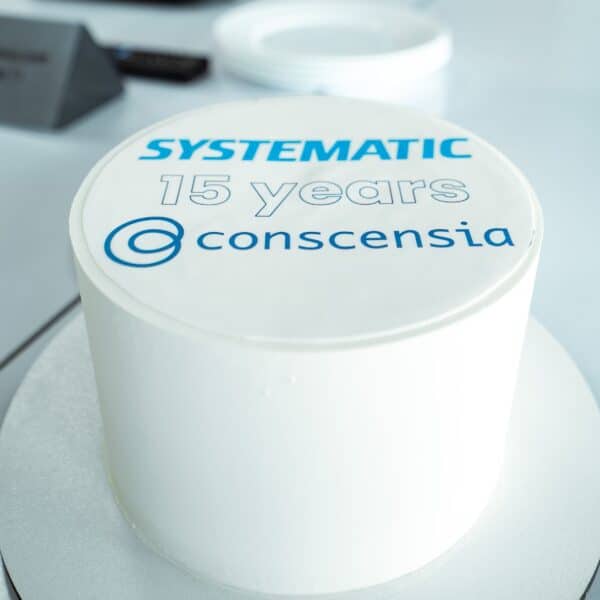
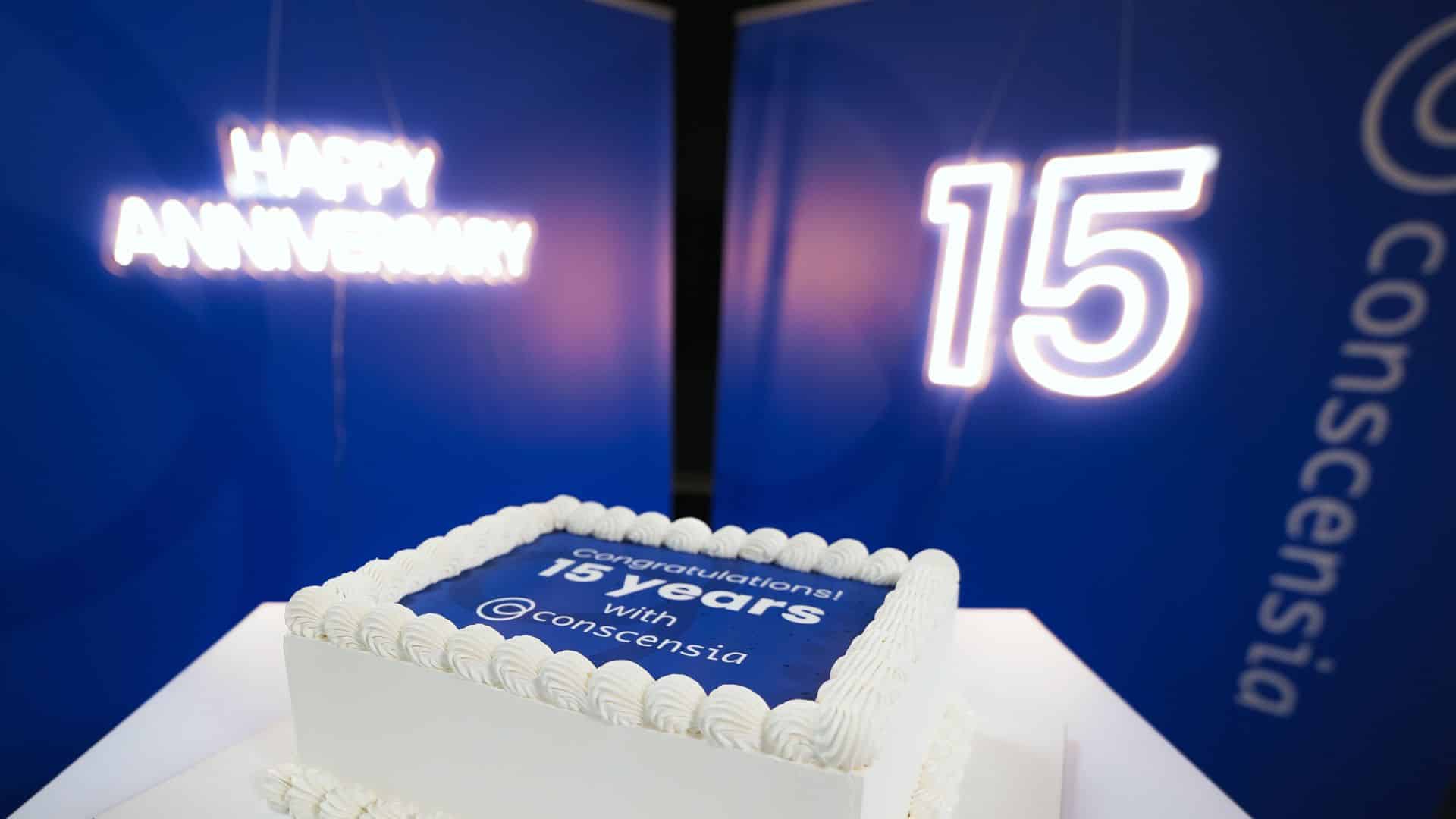
As Conscensia celebrates its 20th anniversary, some of our longest customer relationships have now lasted for most of our history. Systematic, Getinge and Kamstrup are among the customers with whom we have celebrated 15-year partnerships, while Saxo has worked with Conscensia since 2014.
For us, these relationships are an important measure of success. Because while finding skilled software developers is often the reason a customer initially comes to Conscensia, it is rarely the only reason they stay for a decade or more.
So, what makes customers stay?
It starts with finding the right people
For many customers, the starting point is a familiar challenge: they need software developers with specific competencies, but finding them locally is difficult.
Our job is not simply to provide available developers. We recruit specifically for each customer and involve the customer in selecting the people who will become part of their team.
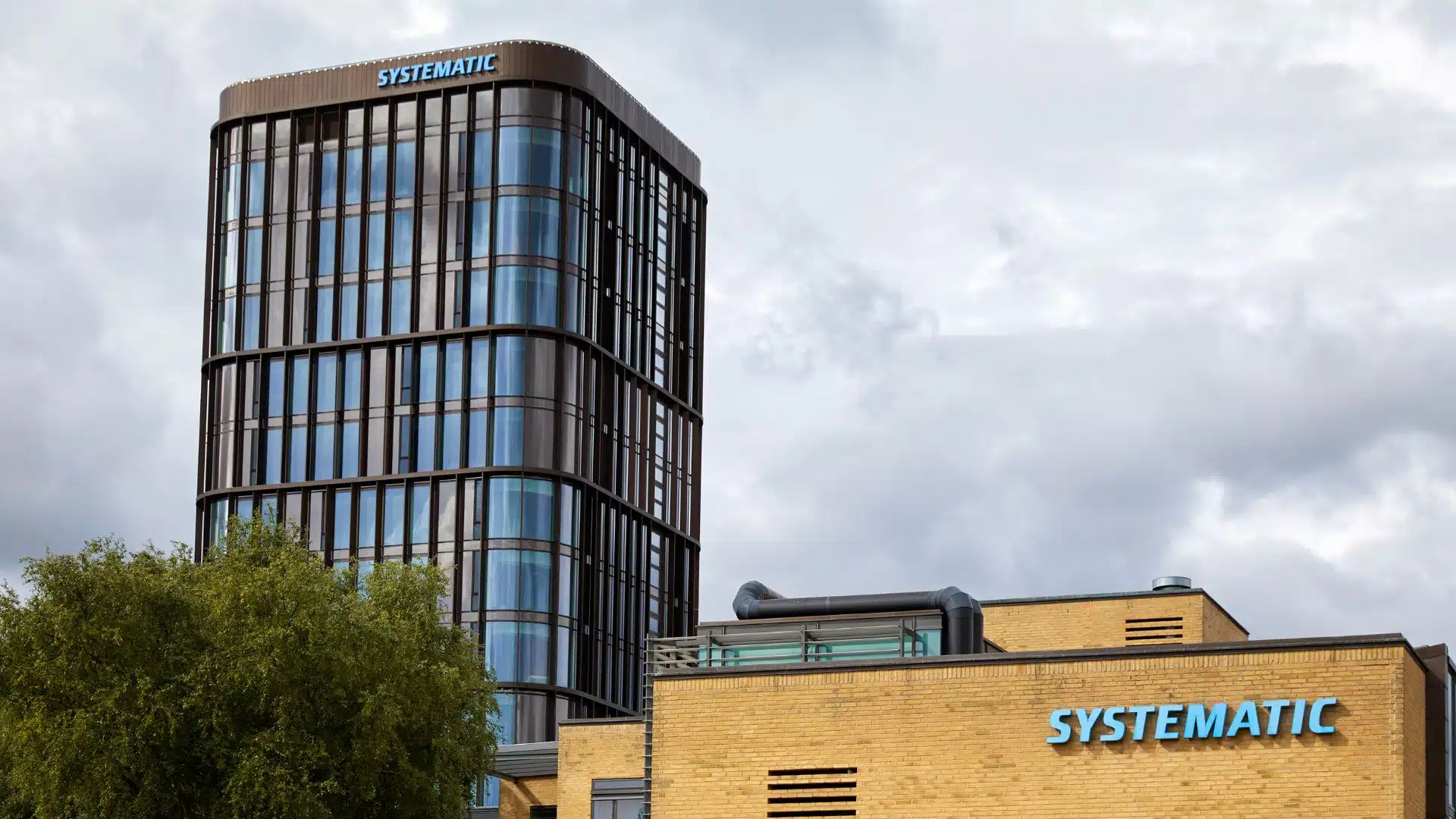
Systematic has worked with Conscensia since 2010 and has development teams in both Ukraine and Poland. Heidi Pedersen, Group Senior Vice President at Systematic, highlights recruitment as an important part of the partnership:
“I feel just as confident in Conscensia’s recruitment process as I do with our local HR department in Aarhus.”
But recruitment is only the beginning. The real value develops over time.
From external developers to colleagues
One of the characteristics shared by many of our longest customer relationships is that the distinction between the development team abroad and colleagues at home gradually becomes less important.
The developers work 100% dedicated to the customer. They participate in meetings, planning and decision-making, learn the business and products, and build relationships with colleagues across locations.
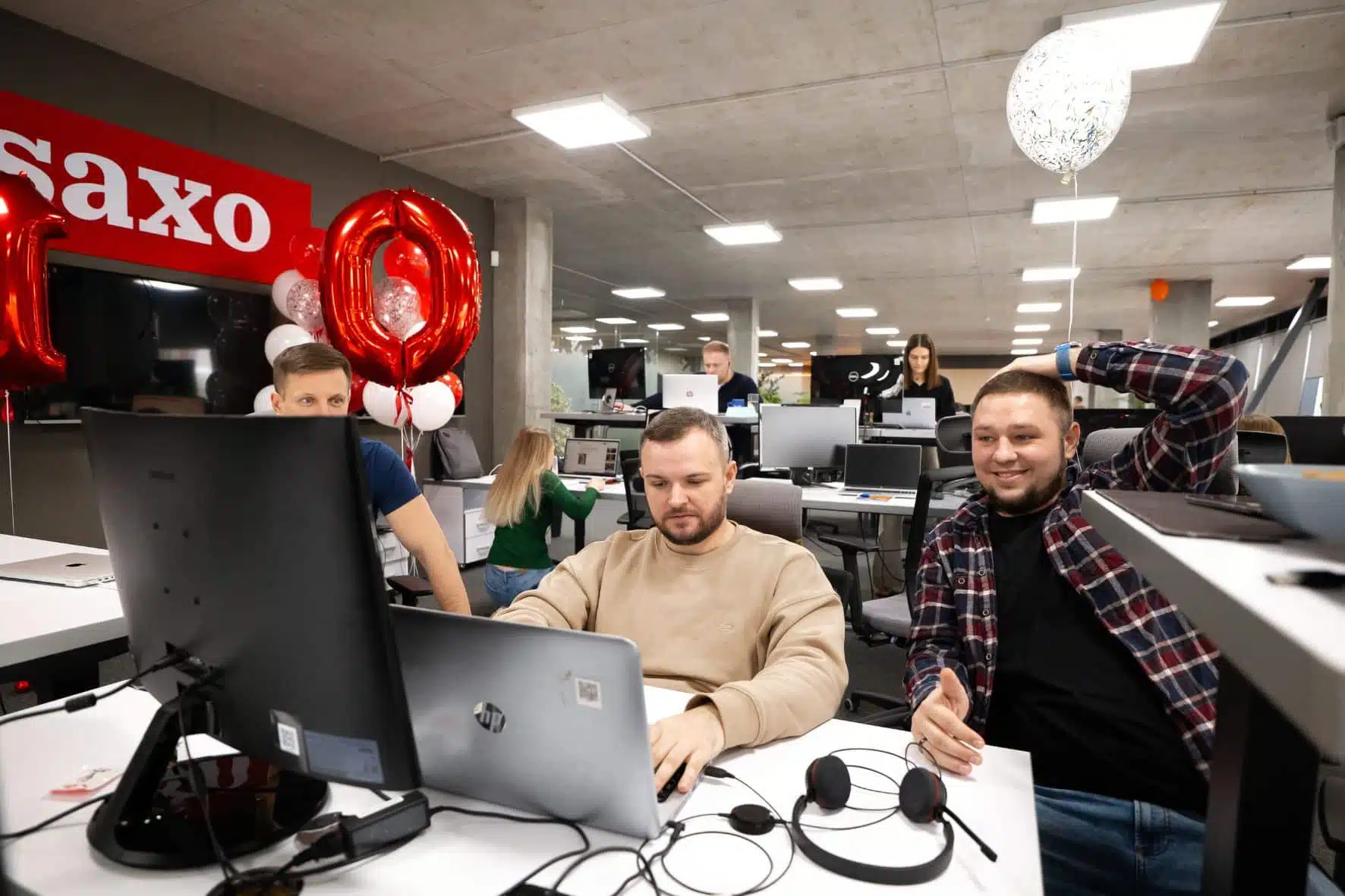
Saxo is a good example. Its development setup combines colleagues in Copenhagen with a dedicated team in Lviv in Ukraine, working across several areas of software development.
As Digital Director Rasmus Burkal explains:

“We generally don’t distinguish between our internal and external developers. They are considered and work on the principle that they are part of Saxo.”
Rasmus Burkal, CDO/CTO at Saxo
The same principle can be seen across many of our long-term customer relationships: the goal is not to create a separate external team, but colleagues who become an integrated part of the customer’s organisation.
That level of integration does not happen simply because developers have the right technical skills. It requires attention to communication, culture, processes and relationships.
And it requires commitment from both sides.
Stability creates value that cannot be built overnight
A developer who has worked with a product for five or ten years knows much more than the code.
They understand why decisions were made. They know the systems, business logic and organisation. They know whom to ask when something is unclear – and they can challenge assumptions and suggest better solutions themselves. That accumulated knowledge is difficult to replace.
This is why retention has always been an important part of the Conscensia model. Today, many of our colleagues have been with Conscensia for more than ten years, and some have worked with the same customer for a large part of that time.

WhiteAway’s development team in Warsaw illustrates how that value grows. The company has built its Polish team with Conscensia since 2020. One developer joined as a software developer and, after years of developing her technical skills and business understanding, progressed into a Team Lead role.
For WhiteAway’s Director of Tech Development, Anne-Mette Patscheider, trust is fundamental:
“We have developers who can think for themselves and make decisions. Trust in the team is really important.”
Anne-Mette Patscheider, Director of Tech Development at WhiteAway
The longer people stay, the more the relationship changes from adding development capacity to building long-term competence inside the customer’s organisation.
Good partnerships need attention
Even with talented developers, distributed collaboration does not automatically work.
Over 20 years, we have learned that successful teams require ongoing attention – particularly when colleagues work across countries and locations.
That is why our role continues after recruitment.
Our Customer Success Managers work closely with customers and teams, helping with onboarding, communication, collaboration and the challenges that inevitably arise over the course of a long relationship.
The important part is not that there are never problems. In any 10- or 15-year collaboration, there will be changes: new managers, new technologies, new colleagues and new business priorities.
What matters is having a relationship where those things can be discussed openly.
As Anne-Mette Patscheider from WhiteAway describes the relationship with Conscensia’s Customer Success Manager in Poland:
“We can talk openly and honestly and say when something is not working; and then change the factors that can be improved.”
That may sound simple. In practice, it is one of the foundations of a lasting partnership.
Customer success is our success
Our customers do not succeed because we employ more developers. They succeed when the people we recruit and employ on their behalf become a high-performing and valuable part of their organisation.
That means our focus has to extend beyond recruitment. Are the right people on the team? Are they motivated? Is collaboration working? Are they developing professionally? And is the customer getting the value they expected?
Our long-term relationships with customers such as Systematic, Getinge, Saxo and Kamstrup show how these partnerships can develop over many years – through changing technologies, organisations and business needs.
This is what we want a Conscensia team to become: not a temporary solution to a recruitment problem, but a part of the customer’s organisation that continues to create more value as its knowledge and experience grow.
Long relationships – and our highest customer satisfaction
Customer longevity is one way of measuring whether this approach works. Customer satisfaction is another.
In our latest customer survey, Conscensia achieved an NPS of 73 – our highest customer satisfaction score to date.
For us, the combination is particularly important.
We have customers who have chosen to work with us for 10–15 years, while our current customers are giving us our highest satisfaction score in 20 years.
That tells us that the fundamentals behind our model remain relevant.
Much has changed since Conscensia began building development teams in Ukraine in 2006. We have expanded into Poland, technologies have changed dramatically, and the way international teams collaborate has evolved.
But the fundamental idea behind our business remains remarkably similar.
Find great people. Build stable teams. Integrate them into the customer’s organisation. Create trust. And stay close enough to make the partnership work.
As we celebrate 20 years of Conscensia, that is perhaps one of the achievements we are most proud of: not simply how many customers we have worked with, but how many have chosen to stay.